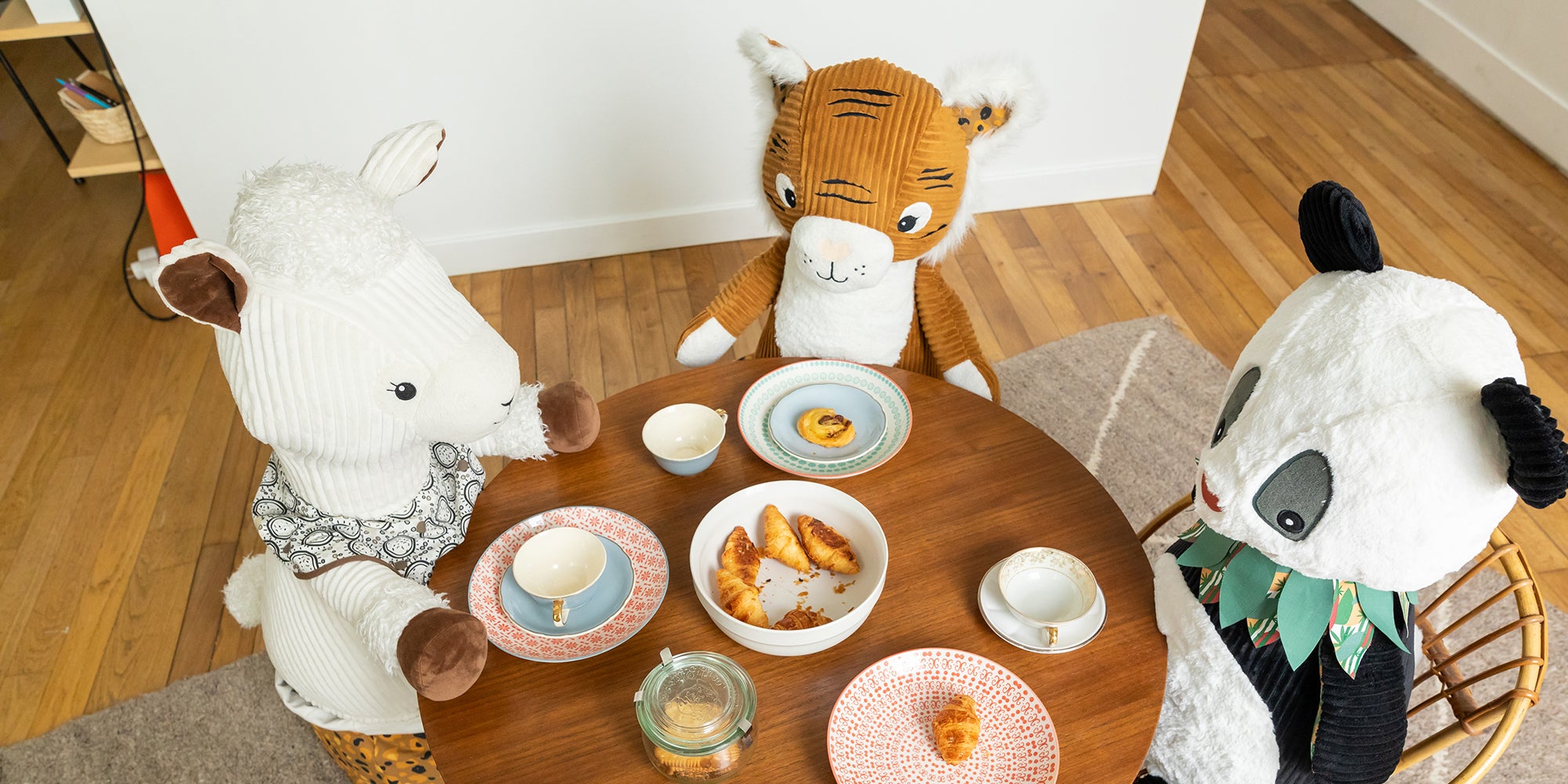

Discover practical advice to make the morning separation at nursery easier. It’s often an emotional time for both of you, but a few simple habits can make a world of difference.
1. Create a "Handover" Ritual
Children thrive on predictability. Establish a short, consistent routine every single morning:
-
Take off their coat together.
-
Get their comforter (or "lovey") out of the bag.
-
Have one last cuddle in a quiet corner.
-
Hand your child (and their comforter) directly into the arms of their key worker or childminder.
2. Never Sneak Away
It’s tempting to slip out while your baby is playing happily, but this can cause long-term insecurity. Even if they are very young, always say goodbye. Explain that you are going to work and will be back after snack time (or after their nap). A clear goodbye is far more reassuring than a sudden disappearance.
3. Manage Your Own Emotions
Children are like little "emotional sponges." If you show anxiety or drag out the goodbye because you’re struggling, your child may sense that the nursery is a "dangerous" place. The secret: A firm, smiling, and confident exit. If you feel like crying, wait until you’re back in the car or around the corner!
4. Talk About the Day Ahead
On the way to nursery, mention the names of the staff or other children. "Today, you’re going to see Sarah and play in the sandpit with Leo." This makes the environment feel familiar and less overwhelming.
5. The Power of the "Comforter"
Give them their favorite soft toy or blanket just before you leave. This object acts as an emotional shield, bridging the gap between your physical presence and your absence.
6. The "Mummy & Baby" Trick: Stay Connected with Les Ptipotos
To soften the separation, our Les Ptipotos "Mum & Baby" collection offers a unique, visual solution for toddlers. The concept is simple: the plush toy consists of a parent and a baby (often tucked inside a pocket or "tummy").
When it's time to say goodbye, you can start a symbolic ritual:
-
Your child keeps the "baby" toy to comfort them.
-
You keep the "parent" toy in your bag or car.
By leaving the "little one" with your child, you provide a visual reminder that the bond isn't broken. Just as the two toys will be reunited tonight, you will return to collect them. It’s a concrete tool that helps little ones understand the concept of absence.
Try saying: "I’m taking the Big Ptipotos to work with me, and you look after the baby Ptipotos. Tonight, we’ll put them back together for a big cuddle, just like us!"