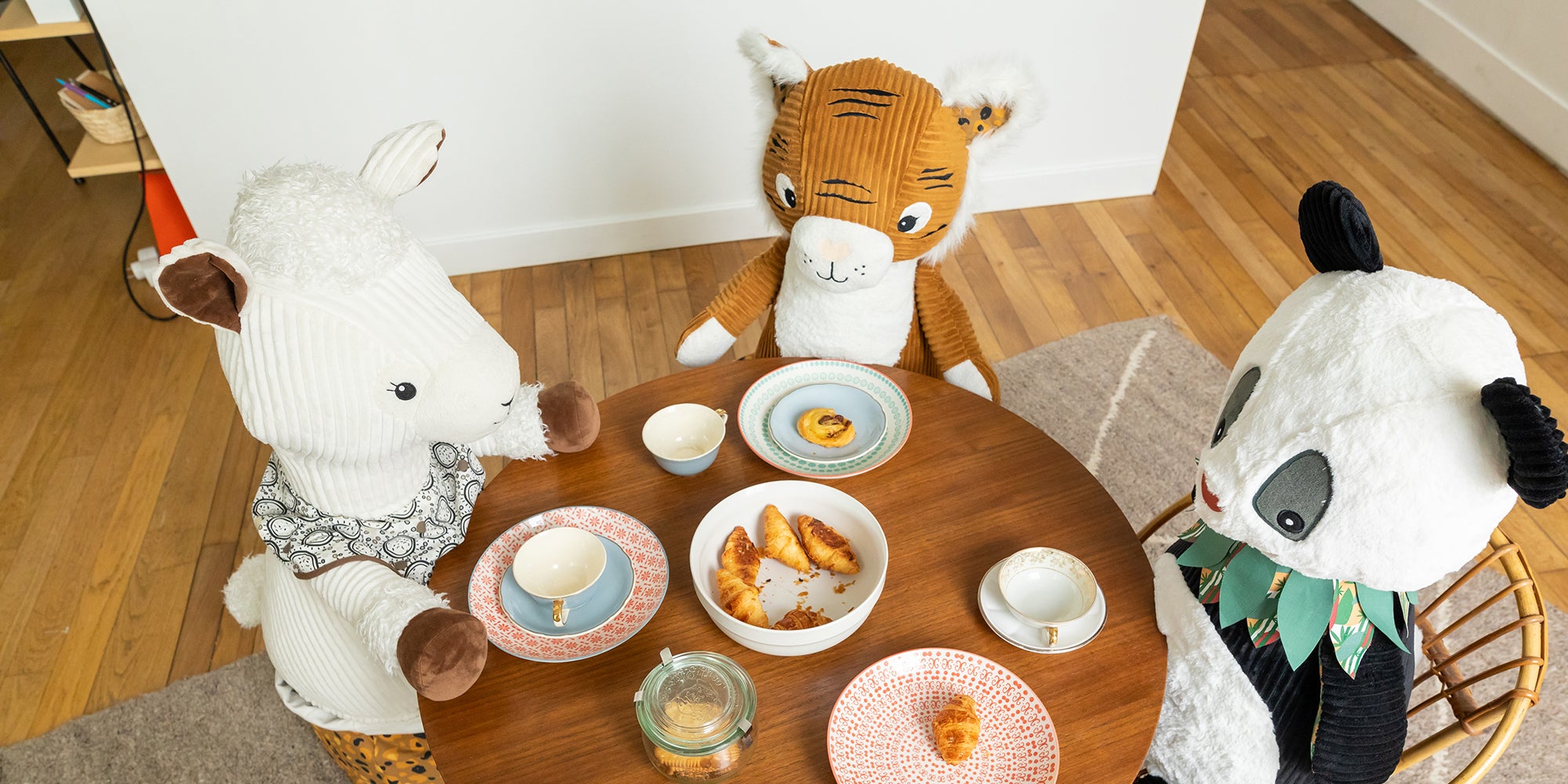

Starting nursery or preschool is a major milestone where the mantra becomes: "Help me to do it myself." Developing independence doesn't mean leaving a child to struggle alone; it means providing a secure environment and the right tools to build their confidence.
Here are our practical tips to turn daily routines into small victories.
1. Create a Child-Friendly Environment
To be independent, a child must be able to access their belongings without constantly asking for help.
-
In the Hallway: Fix coat hooks at their height so they can hang up their jacket alone.
-
In the Kitchen: Use a learning tower or steady stool so they can wash their hands independently.
-
In the Bedroom: Store toys in low, open bins that are easy to reach.
-
In the Bathroom: Provide a step stool so they can reach the sink for teeth brushing.
2. Choose the Right Gear: An Ally for Success
In the UK Early Years Foundation Stage (EYFS), independence often involves managing personal belongings (snacks, comfort toys, spare clothes). Overly complex equipment—like stiff zips or tricky snap buttons—can lead to unnecessary frustration.
This is where choosing the right bag is crucial. To ease this transition, we recommend our Déglingos backpacks. Why?
-
Small-Hand Friendly: The fastenings are specifically designed for little fingers, allowing children to open and close their bags without adult intervention.
-
Easy Recognition: With unique designs (whether it’s Hippos the Hippo or Speculos the Tiger), children can spot their bag instantly among their classmates', boosting their sense of ownership and responsibility.
3. Establish Visual Routines
Time is an abstract concept for preschoolers. To help them navigate and anticipate tasks (getting dressed, brushing teeth, packing their bag), use visual aids.
A simple chart with drawings showing "Morning Steps" allows the child to mentally check off what they’ve done. This makes them the "manager" of their own routine rather than just following repetitive instructions.
4. Encourage Trial and Error
Independence takes time. To foster this learning:
-
Plan Ahead: Add a 10-minute "buffer" to your morning routine to let them put their shoes on at their own pace.
-
Value the Effort: Even if the jumper is on backwards, praise the initiative. Correcting the technique comes later with practice.
5. Empower Them with "Mini-Missions"
Give your child rewarding tasks: placing their water bottle in their Déglingos backpack, setting their napkin on the table, or picking out their socks the night before. These micro-missions boost self-esteem, which is the engine of autonomy.
Conclusion: Independence is a journey of patience. By equipping your child with playful tools adapted to their size, you give them the keys to say with pride: "I did it all by myself!"